The software question competitors haven’t caught up to
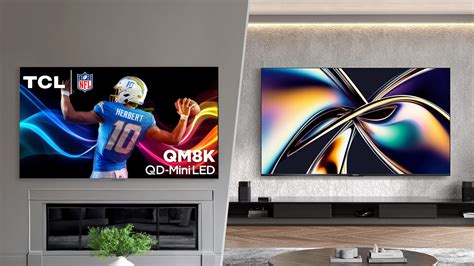
TCL’s US lineup runs Google TV across current models. Hisense’s story changed in March 2026: its new U6 and U7 ULED Mini-LED lineup ships on Fire TV OS, according to Hisense’s own product announcement, a departure from the Google TV and VIDAA software older Hisense sets used. That single change affects app availability, voice-assistant behavior, and how the remote works, and it means “Hisense uses Google TV,” a line repeated across most existing brand comparisons, is only true for older stock still on shelves.
Do TCL and Hisense TVs use the same smart TV software?
Not anymore, consistently. TCL’s current sets use Google TV. Hisense’s 2026 U6 and U7 series switched to Fire TV OS, while earlier Hisense models and some current lines still run Google TV or VIDAA, so check the specific model’s listing instead of assuming a brand-wide answer.
Picture quality isn’t one panel type per brand
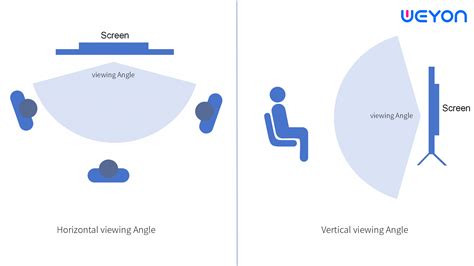
Hisense doesn’t build every screen size in a given series on the same panel technology. On its U8-class sets, Hisense’s own support team has confirmed the 55 and 65-inch versions use VA panels, while the 75-inch version in the same nominal series uses an IPS-family ADS panel. VA and ADS trade off in opposite directions: VA panels typically hold deeper native black levels and higher contrast, while ADS panels, an advanced IPS variant described in Hisense’s own display-technology materials, trade some contrast for noticeably wider off-angle viewing. TCL doesn’t currently ship this size-based panel split the same way, though it has signaled newer panel technology for upcoming models.
The practical effect: buying “the Hisense U8” for its picture-quality reputation doesn’t guarantee the same viewing-angle behavior across every size in that line.
Does a bigger screen always mean the same picture behavior on these brands?
No, at least not on Hisense’s U8-class TVs. The 55 and 65-inch models use a VA panel, and the 75-inch model in the same series uses an IPS/ADS panel, which changes contrast and viewing-angle tradeoffs by size, not just by model name.
Brightness and dimming zones scale with size, not with the brand name
| TCL QM6K size | Local-dimming zones | HDR brightness tier |
|---|---|---|
| 55″ / 65″ | Up to 500 | Up to HDR 3000 |
| 75″ | Up to 2,800 | Up to HDR 5000 |
| 85″ | Up to 3,800 | Up to HDR 5000 |
| 98″ | Up to 6,000 | Up to HDR 6500 |
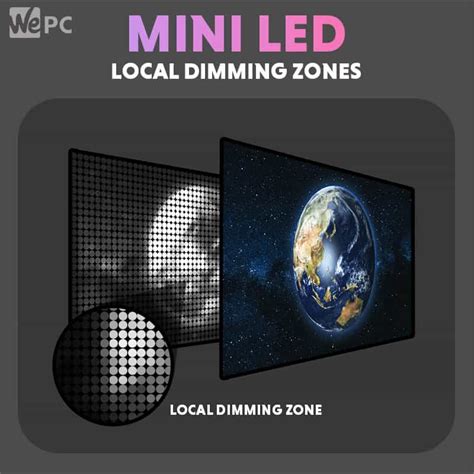
Source: TCL’s own QM6K comparison chart. The 98-inch QM6K carries twelve times the dimming zones of the 55-inch model wearing the same series name. Anyone comparing TCL against Hisense at a single screen size is only getting part of the picture: the series name promises a feature set, but the number behind that feature changes by size within the series itself.
| Hisense U7 generation | Peak brightness | Dimming zones |
|---|---|---|
| 2023 (U7H, 55″/85″) | ~1,000 nits | ~120 |
| 2025–2026 (U75QG/U7SG) | Up to 3,000 nits | Not published |
Sources: Hisense’s 85U7H spec sheet and the current U7 product page. Hisense tripled the peak-brightness figure it publishes for the U7 tier between generations, but stopped publishing a zone count for the newer hardware, so pairing an old spec sheet’s zone number against the new brightness figure produces a comparison the manufacturer itself doesn’t support.
Why do TCL’s zone counts vary so much between screen sizes in the same series?
Larger panels physically fit more individually addressable LED zones behind the same backlight design, so TCL’s own spec sheet lists a higher zone count and brighter HDR tier as the QM6K scales up from 55 to 98 inches. It’s a property of panel size, not a different product tier.
Gaming specs, side by side
| Spec | TCL QM6K | Hisense U7 (2025–26) |
|---|---|---|
| Native refresh rate | 144Hz | 144Hz (U7SG) / up to 165Hz (U75QG) |
| VRR range | Up to 288 (Game Accelerator) | 48Hz to 165Hz (Game Mode Ultra) |
| HDR gaming | Dolby Vision Gaming | Dolby Vision Gaming |
| Anti-artifact tech | Halo Control anti-blooming system | MiniLED Pro backlight |
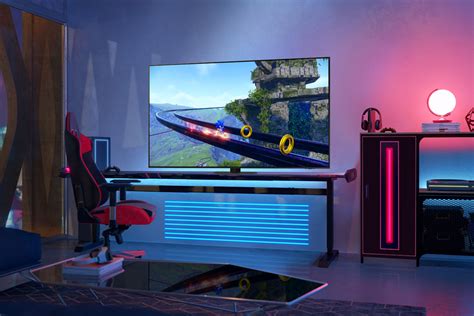
Sources: TCL’s QM6K product page and Hisense’s U7 product pages linked above. Both support VRR and Dolby Vision Gaming, so the real gap sits elsewhere: Hisense’s current U7 posts a wider VRR window at the top end, while TCL leans on halo suppression to keep contrast clean during fast HDR motion.
Is Hisense’s ADS panel better than TCL’s for gaming?
Not universally. ADS shows up only on specific Hisense sizes, and TCL doesn’t currently use it at all. Judge gaming performance by refresh rate, VRR range, and input-lag figures for the exact model, since panel type alone doesn’t settle it.
Built-in sound isn’t uniform either
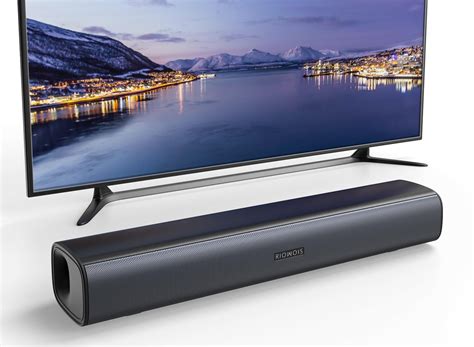
TCL pairs the 55 and 65-inch QM6K with an Onkyo 2.1-channel system, while the 85 and 98-inch versions of the same series switch to Bang & Olufsen-tuned audio, a size-based split inside one product line that mirrors the pattern in its dimming-zone numbers above.
Which brand has better built-in sound?
It depends on the size within the line you’re looking at. TCL’s QM6K uses Onkyo tuning at 55 and 65 inches and switches to Bang & Olufsen tuning at 85 and 98 inches, so check which size-specific audio partner applies before assuming a brand-wide answer.
Where the standard advice breaks down
Buying by brand reputation alone breaks down in three common ways: assuming a series name guarantees the same zone count or brightness across every size, assuming Hisense’s operating system is fixed when the manufacturer changed it mid-2026, and comparing a current-generation spec sheet from one brand against an older spec sheet from the other. Each mistake produces a comparison that’s technically about TCL and Hisense but not about the two TVs actually under consideration.
Who should buy which
If you’re comparing two similarly priced sets at the same screen size, check three things in this order: the exact model year and operating system the unit ships with, the published zone count and brightness tier for that specific size, and whether the size you want falls on the VA or IPS side of Hisense’s panel split. None of those three checks care which logo is on the bezel.
What still needs verification before you buy
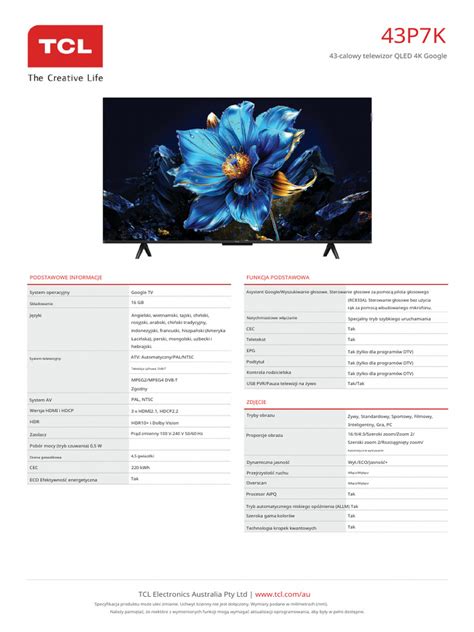
Flagship-tier specs, Hisense’s U8 series and TCL’s QM8K, are widely quoted online at figures like 5,000 nits and several thousand dimming zones, but those numbers trace back to retail and affiliate copy rather than a manufacturer spec sheet independently confirmed here. Verify the exact model number’s spec sheet directly from TCL or Hisense before treating a flagship number as settled.