Which Generation This Comparison Covers
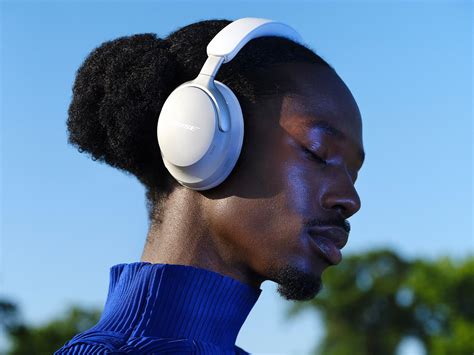
This comparison covers the current flagships as of mid-2026: Sony’s WH-1000XM6 and Bose’s QuietComfort Ultra Headphones 2nd Gen. Older write-ups still circulating online compare the WH-1000XM5 or the original 2023 QuietComfort Ultra, both of which these two models have replaced. If a comparison you’re reading doesn’t name a generation number, check the model name before trusting its numbers.
Comfort and Fit
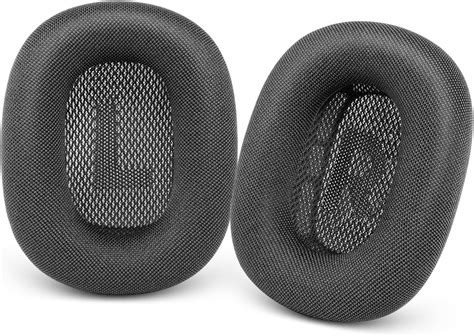
Bose’s earcups use thicker, softer padding; Sony’s are thinner and sit a little more firmly against the ear. That difference hasn’t changed in years and isn’t likely to be the deciding factor for most buyers, especially now that the price gap between the two brands (see the pricing table below) has closed.
Noise Cancellation
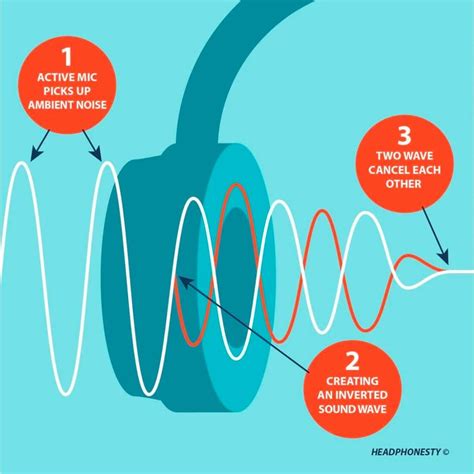
Both headphones use adaptive ANC systems that adjust automatically to your surroundings. Independent, disclosed side-by-side measurements of noise-reduction percentage for this exact current pair aren’t publicly available with a transparent methodology, so this guide doesn’t repeat a number it can’t trace to one. What’s verifiable is the feature set: Sony calls its system Adaptive NC Optimizer, and Bose calls its version CustomTune, and both automatically recalibrate rather than requiring manual mode-switching.
Sound Quality and Features
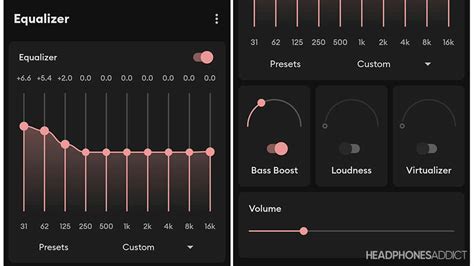
Sony’s Sound Connect app includes a 10-band EQ; Bose’s app offers a simpler 3-band adjustment. That gap is real, but it only matters to listeners who tune headphones by hand instead of trusting the factory sound signature.
Does either pair handle hands-free calls well in noisy places?
Both companies market noise-suppressing microphone arrays for calls, but neither publishes an independent, disclosed call-quality test score alongside its other specs, so this guide can’t rank them on that dimension without inventing a number. Treat call quality as a tie until a transparent third-party test exists.
Battery Life: Reconciling the Numbers
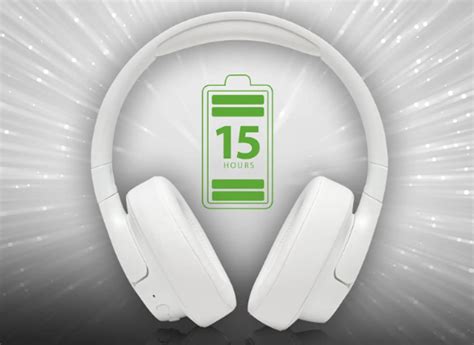
This is the one spec where the two brands’ own materials disagree with themselves, not just with each other.
| Source type | Sony WH-1000XM6 | Bose QC Ultra 2nd Gen |
|---|---|---|
| Manufacturer spec/support page | 30 hrs (NC on), 40 hrs (NC off) | 24 hrs (Immersive Audio off), 18 hrs (Immersive Audio on), tested April 2025 |
| Manufacturer retail listing (same brand, different page) | “30-Hour Battery,” matching the spec page | “Up to 30 Hours of Play time (23 with Immersive Audio),” six hours higher than the spec-page figure above |
| Independent long-term test | Not covered by this source | Confirms the 30-hour figure as realistic over six months of use, a 6-hour gain over the 1st-gen QC Ultra’s 24-hour rating |
The Sony figure has no equivalent internal conflict: its spec page and retail copy state the same 30-hour number.
Is the battery gap between them noticeable in daily use?
If you take Bose’s spec-page figure at face value, the gap is real: 30 hours against 24 is a meaningful difference on a long trip. If you take Bose’s retail-listing figure instead, the two are effectively tied. Which one holds up for you depends on your Immersive Audio usage, since that setting drops Bose’s number regardless of which baseline you start from.
Codecs and Phone Compatibility
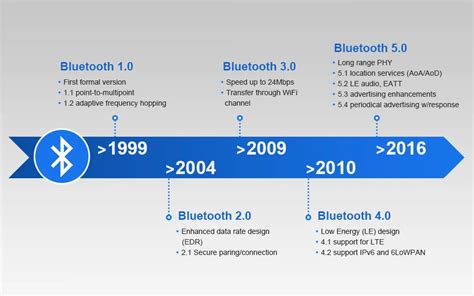
The codec question decides more than the specs suggest, because compatibility depends on your phone, not just your headphones.
| Codec / platform | Phone requirement | Headphone requirement | Practical takeaway |
|---|---|---|---|
| LDAC (Sony) | Any Android phone on version 8.0 (Oreo) or later; support is built into Android itself | WH-1000XM6, or any other Sony LDAC headphone | Works on nearly any modern Android phone, regardless of brand or chipset |
| aptX Lossless via Snapdragon Sound (Bose) | An Android phone Qualcomm has specifically certified as Snapdragon Sound compatible | QC Ultra 2nd Gen, or other Snapdragon Sound-certified headphones | Works only on a short list of specific phones; mainstream Snapdragon-powered phones aren’t automatically included |
| AAC (both) | Any iPhone, or any Android phone as a fallback | Both WH-1000XM6 and QC Ultra 2nd Gen | The default both brands fall back to on iOS, since neither brand’s higher-bitrate codec functions there |
Qualcomm’s showcase of Snapdragon Sound-certified devices, hosted at aptx.com, lists a short and fairly niche set of phones, including a Sharp AQUOS model and a Sony Xperia handset. No Samsung Galaxy or Google Pixel model appears among the devices Qualcomm features there. Bose’s own support documentation directs owners to that same list to check compatibility before assuming their phone qualifies.
Will my phone unlock the best codec either pair offers?
Check your phone’s Android version for LDAC (8.0 or later covers it), and check aptx.com’s device list for Snapdragon Sound before assuming your phone supports Bose’s aptX Lossless tier. iPhone owners get AAC from either brand, full stop.
Price and Value Across the Lineup
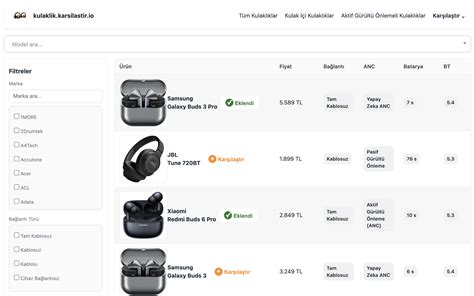
| Model | Category | Launch price | Launch date |
|---|---|---|---|
| Sony WH-1000XM6 | Flagship over-ear | $450 | May 15, 2025 |
| Bose QuietComfort Ultra Headphones 2nd Gen | Flagship over-ear | $449 | October 2, 2025 |
| Sony WF-1000XM6 | Flagship earbuds | $329.99 | 2026 |
| Bose QuietComfort Ultra Earbuds 2nd Gen | Flagship earbuds | $299 | 2025 |
At the flagship over-ear level, the two brands are now priced within a dollar of each other. At the earbud level, Bose currently undercuts Sony by around $30 at full retail.
Choosing by Scenario
| Scenario | Better pick | Why |
|---|---|---|
| Long flights, want maximum runtime without recharging | Sony WH-1000XM6 | Sony’s spec page and retail listing agree on 30 hours with noise cancelling on; Bose’s spec page rates the same setting at 24 |
| Own a recent Samsung Galaxy or Google Pixel phone | Sony WH-1000XM6 | LDAC works on any Android 8.0+ phone; Bose’s aptX Lossless tier depends on Snapdragon Sound certification that Samsung and Pixel phones aren’t confirmed to carry |
| iPhone owner | Either, on equal footing | Neither brand’s high-bitrate codec reaches iOS; both fall back to AAC |
| Want a current-generation option for less money | Bose QuietComfort Ultra Earbuds 2nd Gen | At $299 versus the Sony WF-1000XM6’s $329.99, Bose’s earbuds cost about $30 less at full retail |
Beyond the Flagship: Earbuds and Budget Lines
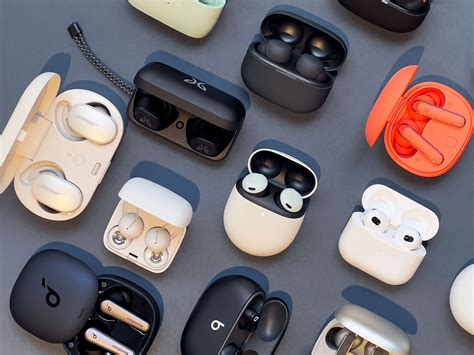
The flagship shootout above isn’t the whole “Sony vs. Bose” question. Sony’s WF-1000XM6 earbuds retail for $329.99, while Bose’s QuietComfort Ultra Earbuds 2nd Gen retail for $299, occasionally discounted to $249 to $269. Bose’s earbuds are rated for 6 hours per charge in Quiet or Aware mode, dropping to 4 hours with Immersive Audio on, with the case holding three full recharges.
Are the earbuds or budget lines worth choosing instead of the flagship cans?
If your budget caps out under $350, the earbud tier from either brand covers most of the same feature set for $120 to $150 less than the over-ear flagships.
Who Should Skip Both
- Anyone who wants aptX Lossless on a Samsung or Pixel phone: Bose’s high-bitrate tier depends on Snapdragon Sound certification these phones aren’t confirmed to have, so you’d be paying for a feature you can’t use.
- Anyone expecting a wired lossless connection to work with any cable: Bose’s lossless path runs through USB-C only, per Bose’s own launch materials, not the analog 2.5mm jack.
- Anyone who needs a verified, independently disclosed ANC percentage before buying: that transparent, replicated figure doesn’t yet exist in public sources for either current flagship.