Which Crest Strips Fit Sensitive Teeth
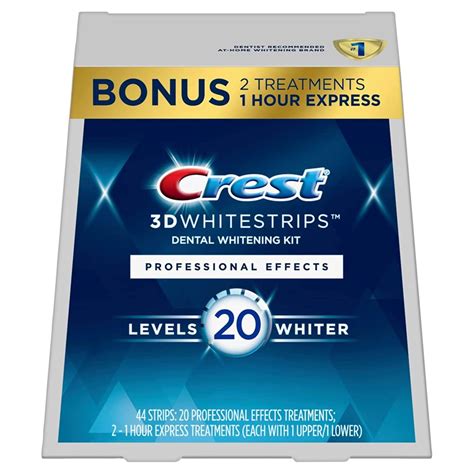
Crest doesn’t sell one whitening strip; it sells a lineup, and the lineup is built around trading wear time for speed. Here’s how the current consumer kits compare on what Crest actually discloses on its product pages.
| Product | Daily wear time | Program length | ADA Seal status | Best fit |
|---|---|---|---|---|
| 3D Whitestrips Sensitive & Gentle | 30 min, once daily | 18 days | Reported among ADA-accepted Crest kits | Existing sensitivity, or first-time whitening |
| 3D Whitestrips Glamorous White | 30 min, once daily | 14 days | Original 2017 recipient, first home-use bleaching product accepted | Moderate strength with a seal-verified track record |
| 3D Whitestrips Professional Effects | 45 min, once daily | 20 days, plus 2 bonus treatments | Not reported as ADA-accepted in sources reviewed | Faster results, no current sensitivity |
| 3D Whitestrips Supreme FlexFit with LED Light | 60 min, once daily | 7-day treatment course | Not reported as ADA-accepted in sources reviewed | Fastest results, healthy enamel, no sensitivity history |
Wear time is the clearest strength signal Crest actually publishes on its retail pages: the sensitive kit asks for half the daily exposure of the LED-accelerated kit, and four fewer days than the 14-day program most first-time users try. What Crest does not publish, at least not on its current consumer packaging pages, is the hydrogen peroxide percentage for each kit. That means a shopper comparing boxes in an aisle can’t actually line up concentrations side by side; wear time and program length are the only levers visible at the point of purchase, which is exactly why they’re the columns in the table above rather than a percentage nobody can verify from the shelf.
Does a lower-peroxide strip mean weaker whitening?Generally yes, in the sense that concentration and effectiveness move together, and so does sensitivity risk: a 2018 Cochrane review cited by the ADA found sensitivity and irritation were most common at higher concentrations. A sensitive-formula kit trades some speed for a gentler reaction, not the other way around.
Why Strips Make Teeth Sensitive
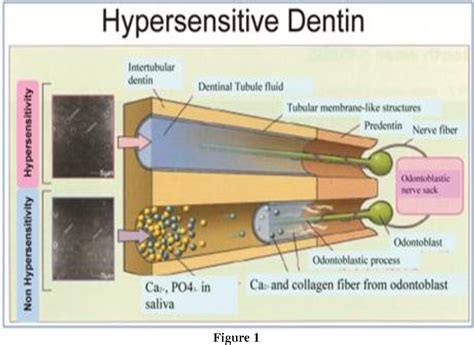
Hydrogen peroxide in the strip’s gel diffuses through enamel and into dentin fast enough to reach the pulp within about fifteen minutes of contact, cavity or no cavity, crack or no crack. The same reaction that breaks down stain molecules also triggers a temporary inflammatory response in the pulp, which is what produces the tingling. That mechanism doesn’t change between a sensitive formula and a standard one: only the concentration and the contact time do.
How long will the sensitivity last?Individual studies of specific formulations report a wide range, from roughly 15% up to 80% of users depending on the exact product and method, so treat any single figure, including the ADA’s, as a planning estimate rather than a guarantee for your specific kit.
Before You Start: Is Your Mouth Ready
Sensitivity isn’t only something whitening causes. For some users it’s already there, and that changes the calculation before the first strip goes on.
- You already have sensitive teeth. Crest’s guidance for its sensitive line is built for this case; jumping straight to Professional Effects or Supreme FlexFit with existing sensitivity raises the odds of a rough first week.
- You’re under 12. Crest’s labeling for Sensitive & Gentle states it isn’t intended for children under this age.
- You’re pregnant. Dental sources reporting ADA guidance describe elective whitening as something to postpone during pregnancy, given limited safety data rather than any confirmed harm.
- You have an unfilled cavity, cracked tooth, or active gum disease. Peroxide reaching exposed or compromised tissue produces sharper, less predictable discomfort than the mild tingling described above.
- You wear braces, or have crowns, veneers, or fillings on visible teeth. Strips whiten only natural enamel, so restorations won’t match, and braces interfere with strip contact entirely.
Will whitening make my existing sensitivity worse long-term, or is it temporary?The sensitivity itself is transient in the large majority of cases and typically fades on roughly the same timeline described above. What can persist is an underlying cause, like a cracked tooth or exposed root, that the whitening didn’t create but did make noticeable. That distinction decides whether you wait it out or get it checked.
Keeping the Sensitivity Mild While You Whiten
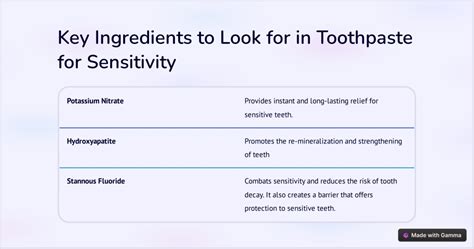
- Match the toothpaste to the mechanism, not just the label. Potassium nitrate and stannous fluoride are the active ingredients that actually calm nerve signaling; check for one of those two names rather than a brand name alone.
- Don’t brush immediately before applying a strip. Crest’s instructions specifically caution against this, since freshly brushed enamel can make the gel’s contact feel sharper.
- Skip the temperature extremes for a day, not a week. Ice water and hot coffee right after a session are the two triggers most likely to catch exposed dentin channels while they’re still open.
- Pause instead of pushing through a flare. If sensitivity or gum discomfort develops, the manufacturer’s guidance for its sensitive kits is to stop for two to three days, then resume, rather than continuing daily.
- Fix the strip’s edge alignment, not just the wear time. Gum irritation from strips is usually a placement issue: align the straight edge with the gumline before folding the strip over, which protects gum tissue and keeps the gel off tissue it isn’t meant to touch.
Mild Tingling or Something Worse: When to Stop
| Symptom | Likely cause | Action |
|---|---|---|
| Mild tingling or “zingers” during wear | Normal peroxide diffusion into dentin; per the ADA, affects up to two-thirds of OTC users | Continue as directed; use a potassium-nitrate or stannous-fluoride toothpaste |
| Sensitivity still present past day 4 to 5 | Past the ADA’s typical resolution window | Pause 2 to 3 days per the product’s instructions, then resume at reduced frequency |
| Sharp, spontaneous, or one-tooth pain | Possible unfilled cavity, crack, or exposed root | Stop entirely; see a dentist before resuming |
| Gum whitening or soreness at the strip’s edge | Gel contact with soft tissue from a misaligned strip | Realign the strip’s straight edge to the gumline next time; see a dentist if soreness doesn’t clear in a day |
Persistence past that fourth-day window, more than the sharpness of any single twinge, is the detail worth tracking day to day.
What the ADA Seal and FDA Rules Cover
Crest 3D White Glamorous White Whitestrips became the first home-use tooth-bleaching product to earn the ADA Seal of Acceptance, announced by the ADA in June 2017, after the Council on Scientific Affairs found it safe and effective when used as directed. That “only one” framing is now outdated: further Crest kits, including its Classic Vivid and Gentle lines, have since been reported as separately accepted, and Crest’s own materials describe four current products carrying the Seal without naming all four on the page where that claim appears.
Is Crest’s ADA Seal still current?The roster has expanded since 2017, so a kit’s Seal status can change between packaging runs. The ADA’s product-search tool is the way to confirm which specific Crest kit currently carries it, rather than relying on an older news announcement.
Separately, OTC whitening strips marketed on appearance claims alone are regulated as cosmetics under U.S. federal law, which means no FDA premarket approval is required before they reach shelves; an LED accelerator light sold alongside strips can fall into a distinct device category requiring registration but, again, not premarket approval. The ADA’s product-search tool is the fastest way to check which specific Crest kit currently carries the Seal, since the accepted list has grown well past the single product named in 2017.