Why Whitening Teeth Triggers Sensitivity
Peroxide-based whitening gels, whether hydrogen or carbamide peroxide, pass through enamel into the dentin within about fifteen minutes of contact, and from there toward the nerve-rich pulp, according to the ADA’s summary of the underlying chemistry. The reaction that lightens stain molecules also causes mild, temporary pulp inflammation, which produces the tingling people describe. Higher concentrations and longer contact time increase both the whitening effect and the sensitivity that comes with it. Existing gum recession, thin enamel, or a cracked filling lets peroxide reach the nerve faster, so an identical product can feel very different in two different mouths.
How Long Sensitivity Lasts, by Whitening Method
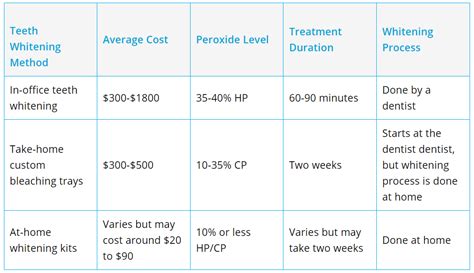
Sensitivity duration tracks the delivery method more closely than the brand: professional bleaching front-loads discomfort into the first day, while lower-concentration take-home products spread a milder version across a two- to four-week course.
| Method | Typical concentration | Typical sensitivity duration | Source |
|---|---|---|---|
| In-office professional bleaching | Roughly 25% to 40% hydrogen peroxide, single visit, up to about 30 minutes contact | Sharpest in the first 1 to 24 hours, tapering over about a week; average absolute risk of some sensitivity near 63% | ADA whitening page; 2018 in-office bleaching RCT |
| Dentist-supplied at-home trays | 10% to 38% carbamide peroxide, worn 2 to 10 hours daily for 6 to 28 days | Onset around day 2 to 3 of the course, resolving by about day 4 after a given application | ADA whitening page, citing Kielbassa et al. 2015 and de Geus et al. 2016 |
| OTC whitening strips | Roughly 6% to 10% hydrogen peroxide, worn 30 minutes once or twice daily for a fixed 10 to 20 day course | Similar day 2 to 4 onset-and-fade pattern; average absolute risk near 51% across at-home methods generally | ADA whitening page; 2018 in-office bleaching RCT |
| Whitening toothpaste | Low peroxide plus abrasives, daily use | Adverse effects reported as comparable to strips in a 2020 review, though sensitivity-specific duration data are thinner | ADA whitening page, citing Devila et al. 2020 |
The professional-versus-OTC divide is really a concentration divide: cutting the peroxide load roughly in half brings the reported sensitivity rate down by a similar margin, and shortens how long anyone feels anything at all.
What are “zingers,” and are they a bad sign?Zingers are the sudden, sharp jolts some people feel mid-session, usually from gel reaching a spot with thin enamel or an exposed root. They’re uncomfortable but not, by themselves, a sign of damage, and they typically stop as soon as the session’s sensitivity fades within the windows above.
Normal Sensitivity vs. a Sign to Call Your Dentist
Most post-whitening sensitivity follows a short, predictable course; a few signs mark where it stops being routine and becomes something a dentist should look at.
| Symptom | Normal / expected | Dentist-visit trigger |
|---|---|---|
| Cold air or cold drink twinge | Present during and shortly after a course, per the table above | Sharp cold pain with no whitening history, or pain before you’ve even started |
| Duration of tingling | Fades within the windows above | Still present two weeks after the course ends |
| Pain quality | Dull, diffuse, eases between applications | Sharp, spontaneous, or pain that wakes you at night |
| Gum appearance | Mild, temporary redness at the tray or strip edge | White patches, blistering, or swelling |
Can whitening cause permanent tooth sensitivity?The mechanism itself, temporary pulp inflammation from peroxide contact, is reversible in the large majority of documented cases. The peroxide reaction in labeled products does not damage the nerve permanently; sensitivity that persists well past the windows above usually points to a separate cause, such as an existing crack, a leaking filling, or gum recession that predates the whitening.
Relief Methods That Have Trial Data Behind Them
Two pretreatment approaches have real trial data behind them, and one popular tip, taking ibuprofen right before whitening, does not hold up as well as its reputation suggests when tested specifically for whitening pain.
| Method | What it does | Sourced finding |
|---|---|---|
| 5% potassium nitrate + 2% sodium fluoride gel before in-office bleaching | Blocks nerve signaling, helps remineralize dentin | A 2022 Cureus systematic review found it significantly reduced post-op sensitivity, most clearly at 1 hour and 24 hours after treatment |
| Oral ibuprofen before treatment, alone | Reduces inflammation systemically | A review of NSAID use in dentistry found oral NSAIDs taken before whitening did not significantly change reported pain, likely because the drug reaches the bloodstream but not the pulp in high enough concentration this way |
| Ibuprofen combined with topical potassium fluoride gel | Pairs systemic anti-inflammatory action with local nerve-blocking | A 2024 triple-blind randomized trial found the combination reduced immediate sensitivity versus placebo; the effect tracked to combining both, not to ibuprofen on its own |
| Potassium-nitrate desensitizing toothpaste, daily use | Gradually blocks dentin tubules | A standing recommendation for people prone to sensitivity, though controlled-trial evidence specific to whitening comes mainly from the short-term pretreatment gels above |
Before You Whiten: Lowering Your Risk
Several choices made before your first application change how much sensitivity you’ll feel.
- Get checked first: a dental exam catches a crack, a cavity, or gum recession that would make sensitivity worse.
- Ask about custom trays: if you already know you’re sensitive, a custom-fitted tray keeps gel off the gum line more reliably than a one-size strip does.
- Consider a desensitizing toothpaste ahead of time: starting a potassium-nitrate toothpaste in the two weeks before you begin is a common dentist recommendation.
- Start at a lower concentration: a weaker product first gives you a read on your own sensitivity before you step up to something stronger.
Whitening Longer or More Often Than Labeled
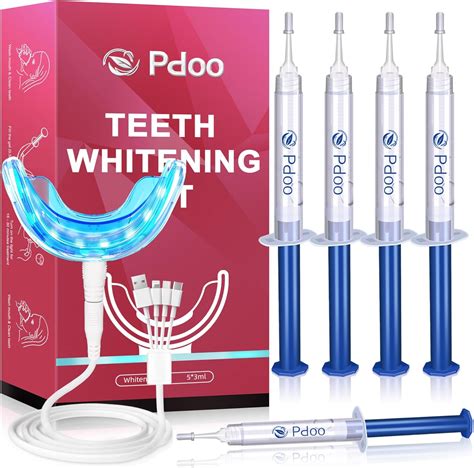
Crest 3D Whitestrips Professional Effects, for example, is sold and tested as a fixed 20-day, 20-treatment course at 10% hydrogen peroxide. The published claims and safety data behind that product cover exactly that course length.
Dentist-supplied trays follow similar logic at a longer scale: the systematic review behind the ADA’s guidance describes protocols running 6 to 28 days depending on concentration, each designed as a complete, bounded course. No major public source publishes a required minimum gap before repeating a whitening course; the practical marker dentists use is symptom-based. Wait until sensitivity from the last course has cleared, using the timeframes in the first table, before starting another labeled course.
Whitening gel that leaks past a tray or strip onto the gum can cause a chemical burn, seen as white patches or peeling tissue, a distinct injury from the tooth-nerve sensitivity described throughout this page. It usually results from a poorly fitted tray or a strip placed too close to the gumline, and it clears up within a few days once contact stops, though repeated exposure raises the risk of gum recession over time.