What “durable” actually has to survive
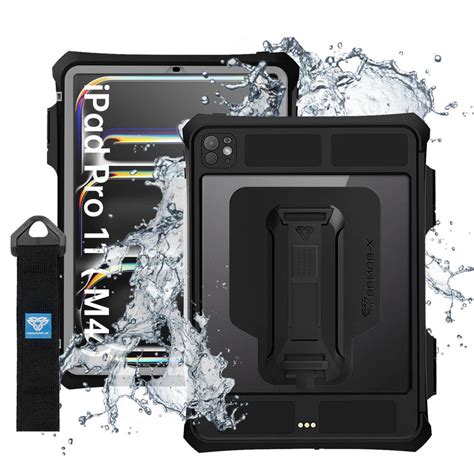
An iPad keyboard case has to survive four separate kinds of abuse: a fall onto a hard surface, a spill or splash, kids or coworkers picking at the keys, and months of compression inside a bag. Marketing usually collapses all four into one word, “durable,” as though a single material choice covered everything. A shell built to survive a four-foot fall isn’t automatically sealed against a spilled drink, and a spill-sealed keyboard membrane says nothing about how the hinge holds up after a year in a backpack. The sections below treat each of these as its own, separately checkable claim.
How to verify a drop-protection claim
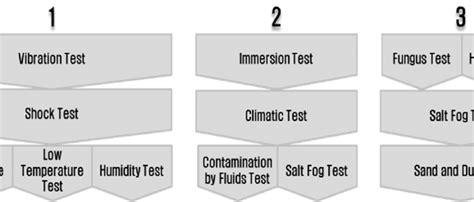
Most “military-grade” or MIL-STD-810 claims point to Method 516, Procedure IV of MIL-STD-810: the transit-drop test, which calls for 26 drops of the item onto two-inch plywood laid over concrete, striking every face, edge, and corner (Clark Testing). The height most consumer accessories were originally tested against is 4 feet, tied to the older 810G revision; some case makers now advertise higher figures like 6.6 feet without stating which drop height or which revision they actually tested (How-To Geek).
| Claim on the box | What it actually certifies | How to verify it |
|---|---|---|
| “MIL-STD-810G / military-grade” | The product was designed to a published Department of Defense test method; says nothing about whether it was actually tested | Ask the seller which lab ran the test and request the report; a genuine result names a lab and a revision (810G, 810H) |
| A specific drop height (“6.6 ft”) | The height the manufacturer claims to have tested to, self-reported unless a lab is named | Cross-check the number against the manufacturer’s own spec sheet, not a marketing headline; treat an unnamed lab as unverified |
| “IP54” or “water-resistant” | A specific, checkable ingress rating under IEC 60529, distinct from drop resistance | Look for the exact code (IP54, IP65) rather than the word “resistant” alone, and treat the two digits separately |
| “Independently tested” | The strongest available claim, if a named accredited lab is attached | Search for the lab by name; ISO/IEC 17025:2017 accreditation is the marker of a lab actually qualified to run the test (Applied Technical Services) |
The verification checklist above settles the practical question: a claim with a named, accredited lab behind it is worth more than any drop-height number on its own, no matter how high that number is.
Does a “military-grade” claim mean the case was independently tested? Not by default. A MIL-STD-810G badge on a case means the manufacturer designed the product to that standard’s test method; it doesn’t guarantee any lab actually ran the test, since no outside organization verifies most consumer accessory claims.
What an IP54 rating actually promises
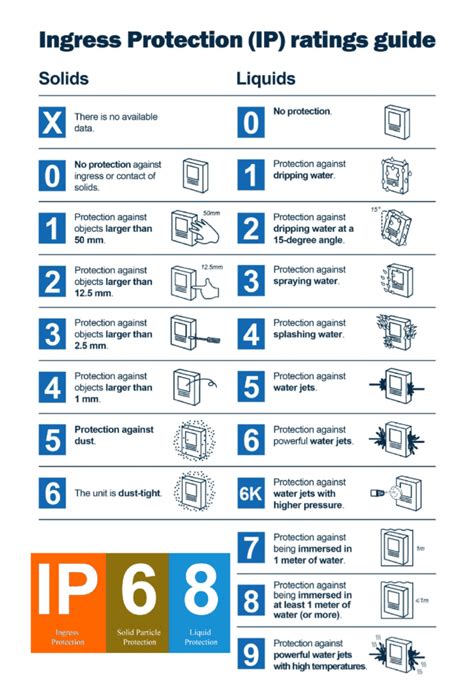
IP54 is defined under IEC 60529, the international standard for ingress protection ratings (IEC). The first digit, 5, means dust is kept out well enough not to interfere with the keyboard’s operation, not that the case is fully dust-tight. The second digit, 4, means the case is protected against water splashed from any direction, and the standard’s own test explicitly permits some water to enter as long as it doesn’t reach live components (Industrial Monitor Direct). An IP54 case will survive a knocked-over water bottle at a desk. It will not survive being left out in a storm.
Is an IP54-rated keyboard case safe to use in the rain? Only briefly. IP54 covers splashes from any direction, not sustained rain or submersion; a case rated IP65 or higher is the level actually built for hose-level water exposure.
The keyboard itself is a separate durability risk
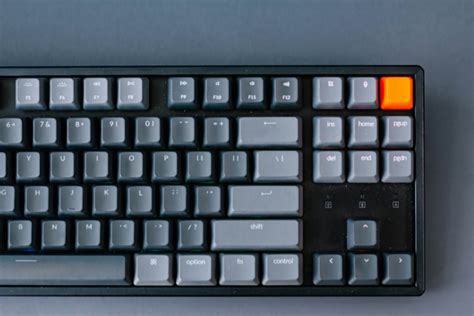
A rugged shell protects the iPad. It does nothing for the keyboard sitting next to it, which fails in its own ways: keys pried loose by curious fingers, crumbs and spilled liquid working into the switches, and membrane fatigue from thousands of keystrokes. Logitech’s Rugged Combo 4 addresses this with a sealed keyboard membrane the company describes as “pluck-proof,” designed to keep keys from popping off and to block spills from reaching the switches underneath (Logitech). Logitech also says it backpack-tested the case by dropping it inside a bag 10,000 times, a scenario that maps to how these cases actually get abused far better than a single lab drop does, and the same test appears again in the company’s 2026 announcement for the next model in the line (Logitech Investor Relations). Whatever case you’re considering, ask specifically whether the keyboard is sealed, since a shell’s drop rating tells you nothing about what happens when a drink spills across the keys.
Does your iPad stay protected once you remove the keyboard?
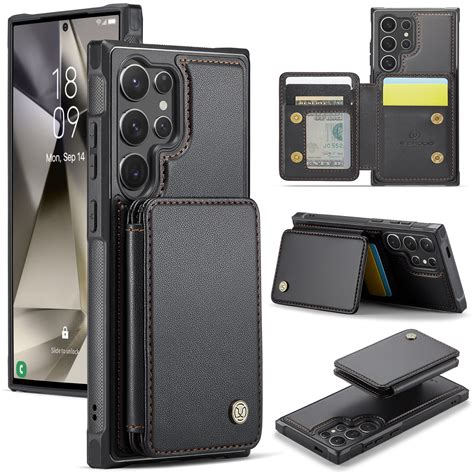
Many detachable designs split into two pieces: a thin case that stays on the iPad, and a keyboard section that attaches magnetically and can be left behind. Whether the thin case alone still protects the iPad varies by product, and it’s rarely stated plainly on the box. The ESR Rebound is a documented example of the limitation: an independent hands-on review found that detaching the iPad from the keyboard leaves it in what the reviewer called its most exposed state, with only a slim magnetic case behind it rather than a shell built to the same protection level as the combined unit (Serious Insights). This isn’t a defect specific to one brand. It’s a structural consequence of any design where the keyboard, not the case, carries the added bulk.
If I remove the keyboard, is my iPad still protected? It depends on the design, and the manufacturer’s marketing rarely says so directly: check whether the slim case left behind after detachment is described with its own drop rating, or whether the drop-protection claim only applies to the combined case-plus-keyboard unit.
Matching the case to what you’ll actually do to it
The right level of ruggedness depends on the realistic threat, not on the highest number on the box.
| Use case | Realistic failure mode | Priority spec | Spec to deprioritize |
|---|---|---|---|
| Classroom or kids | Keys pried off, screen dropped from desk height, spilled drinks | Sealed, pry-resistant keyboard; drop protection from typical desk or hand height | Bluetooth range, backlighting |
| Fieldwork or outdoor | Drops onto concrete or gravel, dust, occasional rain | A drop claim backed by an accredited lab; IP54 or higher | Slim profile, premium trackpad feel |
| Frequent flyer | Backpack compression, being dropped from hand height in transit | Detached-state protection, since the keyboard often comes off in a bag | Full-size function row |
| Desk-bound professional | Minimal drop risk, occasional coffee spill | Typing and trackpad quality; light spill resistance | High drop-height claims, heavy shells |
The classroom and fieldwork rows share a drop concern but differ on what protects against it: sealed keys matter more for classrooms, while a lab-verified drop claim matters more for job sites.
Do rugged keyboard cases work well for typing, or is the extra bulk a dealbreaker? Most reduce trackpad size and add thickness compared with slim options, but the keyboards themselves are typically full-size with standard key spacing; the tradeoff shows up in portability and one-handed use, not in typing accuracy.
The weight and price tradeoff, with real numbers
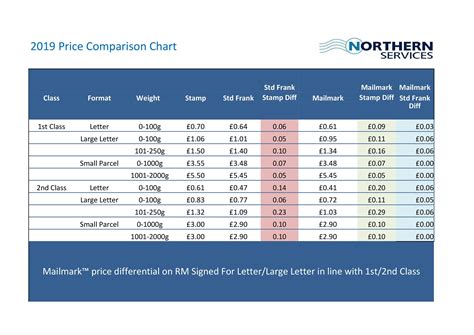
| Case | Added weight | Drop claim | Keyboard seal / power | Price |
|---|---|---|---|---|
| Apple Magic Keyboard (Air / Pro) | Not published by Apple | None published; described only as “front and back protection” | Not sealed; Smart Connector powered | $269 to $319 (Air), $299 to $349 (Pro) |
| Logitech Rugged Combo 4 | 570 g | 6.6 ft, self-reported; plus a 10,000-drop backpack test | Sealed, pry-resistant membrane; Smart Connector powered | Sold through Logitech’s education channel; price varies by reseller |
| ZAGG Rugged Book | Not published by ZAGG | 6.6 ft, self-reported | Interlocking keys, not membrane-sealed; Bluetooth, separate battery | Varies by iPad model |
| ESR Rebound (13-inch) | About 2.6 lb (1.2 kg) combined; case alone about 0.5 lb (227 g) | Not independently verified; case-only protection level unclear once detached | Not sealed; Bluetooth | $89.99 to $167.99 depending on retailer |
Apple is the outlier worth noticing: the most expensive keyboard on this list makes no drop or ingress claim at all, while the two cases built around a specific drop number both come from the accessory-case category instead of from Apple itself.
How much heavier is a rugged keyboard case than a slim one? Based on the products here, roughly 550 to 600 grams for a sealed, drop-rated case like the Rugged Combo 4, against no published weight at all for Apple’s Magic Keyboard and about 1.2 kilograms combined for a heavier detachable design like the Rebound.
Common mistakes

- Trusting a drop-height number with no lab attached. A high figure from an unnamed test is not more trustworthy than a lower one; ask who ran it.
- Treating “water-resistant” as a rating. Only a stated IP code (IP54, IP65) is checkable; the word alone isn’t.
- Assuming the case protects the iPad once the keyboard is off. Some detachable designs leave only a thin shell behind; confirm this before buying if you plan to travel light.
- Matching the classroom checklist to a job site, or the reverse. Sealed keys matter most where curious hands are the threat; lab-verified drop protection matters most where concrete floors are.
- Ignoring exact model compatibility. iPad generations share similar names but different port and camera layouts; a case sized for the wrong generation won’t seal or fit correctly regardless of its rating.