How many watts an Echo draws, by model
Independent lab testing gives a much clearer picture than any single home’s Kill-A-Watt reading. The Natural Resources Defense Council, working with Pacific Crest Labs, measured five smart speakers on an IEC-calibrated power meter, tracking both standby draw and average draw while streaming audio.
| Model | Standby power | Active / playing power | Source |
|---|---|---|---|
| Google Home Mini | 1.4 W | 1.7 W | NRDC / Pacific Crest Labs |
| Amazon Echo (2nd Gen.) | 1.6 W | 2.4 W | NRDC / Pacific Crest Labs |
| Google Home | 1.9 W | 2.2 W | NRDC / Pacific Crest Labs |
| Echo Dot (3rd Gen.) | about 1.6 W | 2.2 to 2.6 W | lifetester.net independent meter test |
| Echo Dot (4th Gen., no clock) | about 1.3 W | 1.9 to 2.9 W | lifetester.net independent meter test |
| Echo Studio | 5.6 to 6.1 W* | 6 to 7 W | The Ambient independent test |
Across every independently tested Echo model, standby power stays under 2 watts except the Echo Studio, and active playing power never exceeds about 7 watts even at a moderate volume.
Is Google Home more energy-efficient than Amazon Echo? In the lab test above, the Google Home Mini used less standby power (1.4 W) than the 2nd-generation Echo (1.6 W), but the full-size Google Home used slightly more (1.9 W standby) than the Echo. Neither gap is large enough to change a utility bill.
What that costs per year
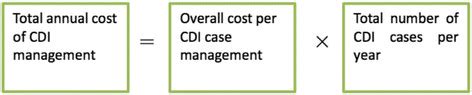
NRDC converted its wattage readings into annual energy use with a duty cycle of 3.5 hours a day active and 20.5 hours a day in standby, matching typical usage patterns. Applying the 2026 national average residential rate of 18.83 cents per kWh compiled from EIA data gives a current dollar figure for each model.
| Model | Annual energy use | Annual cost at 18.83¢/kWh |
|---|---|---|
| Google Home Mini | 12.3 kWh/yr | $2.32 |
| Amazon Echo (2nd Gen.) | 15.2 kWh/yr | $2.86 |
| Google Home | 17.1 kWh/yr | $3.22 |
| Apple HomePod | 21.6 kWh/yr | $4.07 |
| Harman Kardon Invoke | 33.4 kWh/yr | $6.29 |
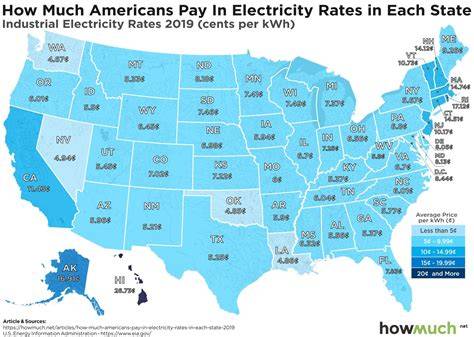
The gap between the cheapest and priciest device tested is under $4 a year, smaller than the swing caused by living in a high-cost state instead of a low-cost one: residential rates alone range from 12.35 cents per kWh in North Dakota to 46.62 cents in Hawaii.
Does unplugging my Echo when I’m not using it save meaningful money? Given that a full year of standby plus normal use costs $2 to $6, unplugging it saves at most a few dollars annually and adds a short reboot delay each time you plug it back in. A smart-plug schedule matters more as a habit against forgetting other, hungrier devices than as a direct saving on the Echo itself.
The one thing that can quietly spike your bill: linking Alexa to your TV
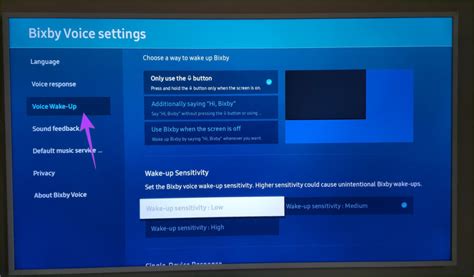
NRDC’s testing found that linking select 2018-model-year TVs to an Echo or Google Home so they could be woken by voice pushed their standby power from under 0.5 watts to between 18.8 and 22.9 watts, an increase the speaker itself never causes on its own.
| TV model | Standby without voice-wake linking | Standby with wake-by-voice enabled |
|---|---|---|
| Sony XBR55X900F | under 0.5 W | 21.2 W initially; 8.2 W after Sony’s 2019 firmware update |
| Westinghouse WA50UFA1001 | under 0.5 W | 22.9 W |
| Vizio P55-F1 | under 0.5 W | 19.8 to 19.9 W with an Echo; 8.3 to 18.8 W with a Google Home Mini, depending on the Quick Start setting |
| Samsung / LG models limited to control-only | under 0.5 W | 0.2 to 0.4 W; these units never supported wake-by-voice, so standby stayed low |
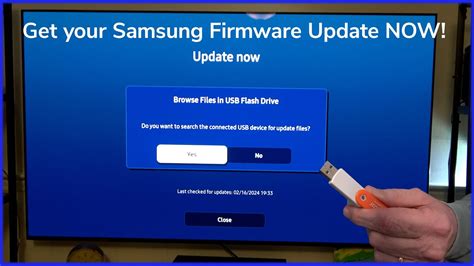
Sony pushed that fix to the XBR55X900F in 2019, cutting its linked standby power from 21.2 watts down to 8.2 watts.
Why Amazon doesn’t publish an exact standby number
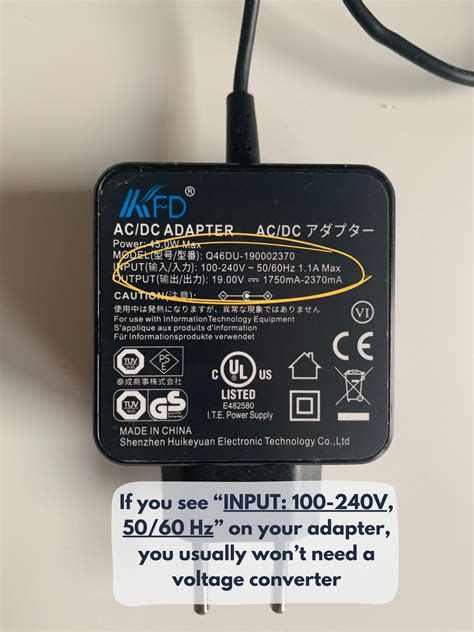
Amazon’s documentation for current Echo Dot models states only the power adapter’s maximum rated output: 12 volts, 1.25 amps, 15 watts. That figure is a safety ceiling the hardware is built to handle. Every independent test in the first table measured real standby and active power at a small fraction of that number.
How Alexa’s draw compares to other always-on devices in your house
An always-on Echo is not the biggest phantom load in most homes. Pre-smart-speaker bookshelf stereo systems used to run about 75 kWh a year. Pay-TV set-top boxes from cable and satellite providers run 35 to 100 kWh a year because many stay near full power even when the TV is off. A game console in low-power standby, like an Xbox Series X in Instant-On mode, draws about 13 watts continuously, adding an estimated $15 to $20 a year to the bill on its own.
| Device | Annual energy use / draw | Source |
|---|---|---|
| Amazon Echo (2nd Gen.), for reference | 15.2 kWh/yr | NRDC / Pacific Crest Labs |
| Legacy bookshelf/mini stereo system | about 75 kWh/yr | NRDC, citing Fraunhofer USA research |
| Pay-TV set-top box (cable/satellite) | 35 to 100 kWh/yr | NRDC, citing D+R International’s 2017 industry report |
| Xbox Series X, Instant-On standby | about 13 W continuous, $15 to $20/yr | Reviewed.com |
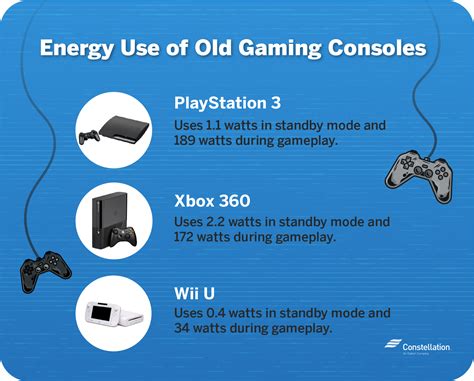
A single Echo costs less to run annually than the standby draw of one legacy stereo system, one pay-TV set-top box, or one modern game console left in its always-ready mode.
Do Echo Show smart displays use more power than Echo Dot speakers? Almost certainly, since a lit display draws continuously, but no independently tested wattage figure for the Echo Show line turned up in lab-grade sources for this page. Treat any specific number you see quoted for the Show as unconfirmed until an independent test publishes one; this is a genuine data gap in the current testing record.
Common mistakes when estimating Alexa’s power use
- Using an outdated electricity rate. A cost estimate calculated at 13 cents per kWh, a common older baseline in older blog posts, understates a 2026 bill by roughly 30 to 45 percent depending on the state.
- Forgetting that devices multiply. Three or four Echo devices in one home, common in multi-room setups, multiply the per-device cost directly. It’s still a small total, but it’s no longer a single-device number.
- Conflating Alexa+ generative AI features with device-side power draw. Alexa+’s conversational processing runs in Amazon’s cloud infrastructure. Turning it on doesn’t measurably change what your Echo pulls from the wall.
Does using Alexa+’s generative AI features add to my home electric bill? The generative-AI processing behind Alexa+, described in market research as a cloud-processed assistant upgrade, happens in Amazon’s data centers. The Echo itself keeps streaming audio the same way it always has. No independent test of an Alexa+-enabled device’s wattage has been published yet; until one exists, this conclusion is inferred from how cloud-based processing works.
Cutting Alexa’s draw further, if you want to
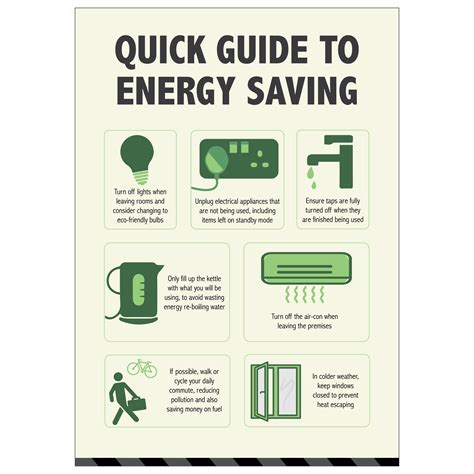
- Update your TV’s firmware before disabling voice wake. Sony, Vizio, and LG all shipped updates that cut linked standby power without removing the feature, so check for one before giving up the convenience.
- Put rarely used Echo devices on a scheduled smart plug. Most useful in guest rooms or seasonal spaces where a device sits idle for days at a stretch.
- Lower an Echo Show’s screen brightness or set an auto-dim schedule, since a lit display is the one Echo variant likely to draw meaningfully more than the figures measured above.