Do plug-in power-saving boxes work?
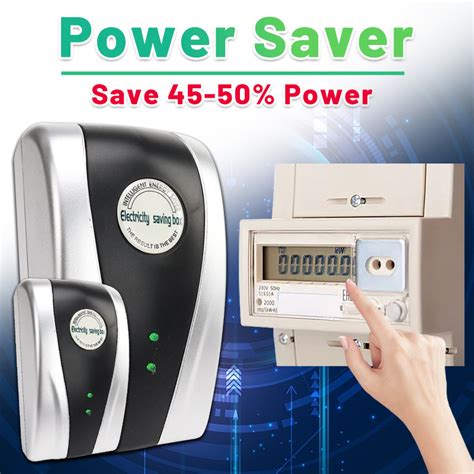
Ads for capacitor-based “power saver” boxes promise to stabilize your home’s current and cut your bill by up to 40%, and listings for these products commonly advertise “20% to 40% energy saving” for units priced around $15 to $40. A team including specialists at NIST examined the underlying claim and found the mechanism doesn’t do what the ads say. The device reduces the current drawn from the line while simultaneously raising the power factor, and because a residential bill is based on the product of the two, that product stays the same with the device installed or not.
Marketing claim vs. verified effect
| Device | Marketing claim | What’s verified | Source |
|---|---|---|---|
| Plug-in power-factor box | “Up to 40% off your bill” | No residential kWh reduction | NIST |
| ENERGY STAR LED bulb | “Uses far less power” | Up to 90% less energy, 15x lifespan | ENERGY STAR |
| ENERGY STAR smart thermostat | “Learns and saves automatically” | About 8% average HVAC savings, about $50 a year | ENERGY STAR |
| Smart plug on standby loads | “Eliminates wasted electricity” | Addresses 5% to 10% of total home electricity, on one circuit | DOE-based estimate |
Of the four rows above, only one carries no verified effect on a bill at all, and it’s the one most heavily marketed as a bill-reducer. If what you actually want from a plug-in device is protection from voltage spikes, that’s a different product: a UL 1449-listed surge protective device. UL 1449 listing is the safety floor that any legitimate device should carry; for meaningfully tight voltage clamping, look for a Voltage Protection Rating in the lowest, tightest class, 330V. Use that rating, and the UL 1449 listing itself, as the actual purchase criteria.
Can a plug-in device really cut my power bill in half? No. NIST’s analysis shows the current reduction and the power-factor increase offset each other, so a residential meter, which bills on that product, sees no change.
Where your electricity goes, and why that should decide what you buy first
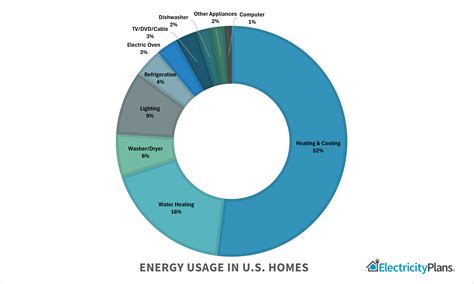
Before ranking devices, it helps to know which part of a bill each one can actually touch.
Where a typical home’s energy goes
| Category | Share of annual home energy use (EIA, 2020) | Best-fit device |
|---|---|---|
| Space heating & air conditioning | About 52% | Smart thermostat |
| Water heating, lighting & refrigeration | About 25% | LED bulbs (the lighting slice) |
| Everything else: TVs, computers, chargers, small appliances | About 23% | Smart plugs, energy monitors |
Data from the U.S. Energy Information Administration covers total home energy across all fuels, so in an all-electric home this maps closely onto the electric bill itself, while a home heating with gas will see a smaller electric-only share going to space heating. A dollar spent upgrading the thermostat reaches roughly half the household energy budget; a dollar spent on a smart plug reaches a slice about a fifth that size.
Smart thermostats reach the largest share of your bill
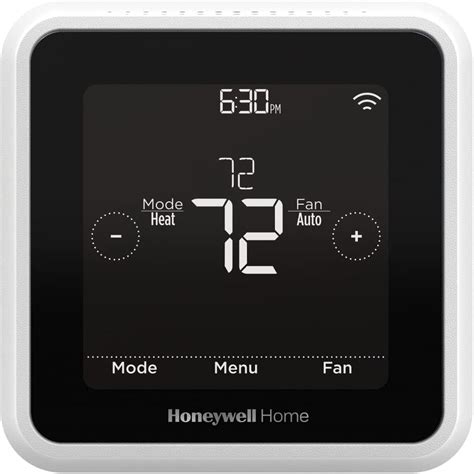
ENERGY STAR certified smart thermostats average about 8% savings on heating and cooling costs, or roughly $50 a year, with the EPA estimating up to about $100 a year in homes that are frequently unoccupied. That figure isn’t a marketing estimate: ENERGY STAR’s certification process requires a full year of real-world field data from sampled homes before a model can qualify. Current models run from about $130 for Nest’s standard thermostat to $280 for the Nest Learning Thermostat (4th gen) or $250 for Ecobee’s Premium model.
Compatibility matters here. Some high-efficiency variable-speed HVAC systems need the equipment maker’s dedicated controller instead of a generic smart thermostat, and older systems without a C-wire may need a power-extender adapter kit.
Will a smart thermostat work with my HVAC system? Usually, but check first. Variable-speed or high-efficiency heat pumps sometimes require the HVAC manufacturer’s own dedicated controller instead of a generic smart thermostat, and systems without a C-wire may need a power-extender adapter.
LED and smart lighting
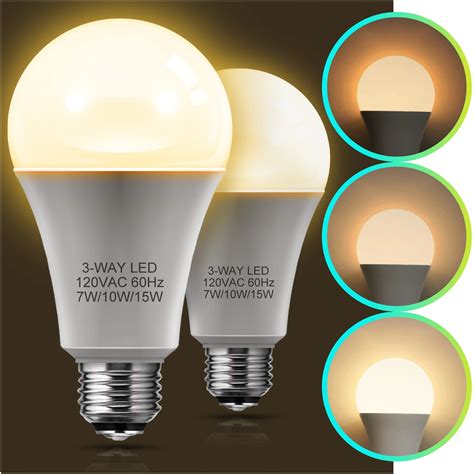
Lighting sits inside the water-heating-lighting-refrigeration slice above, but it’s the cheapest device on this list to act on. ENERGY STAR certified LEDs use up to 90% less energy than incandescent bulbs and last about 15 times longer, at $2 to $5 per bulb with no installation required beyond screwing one in.
Smart plugs and standby power
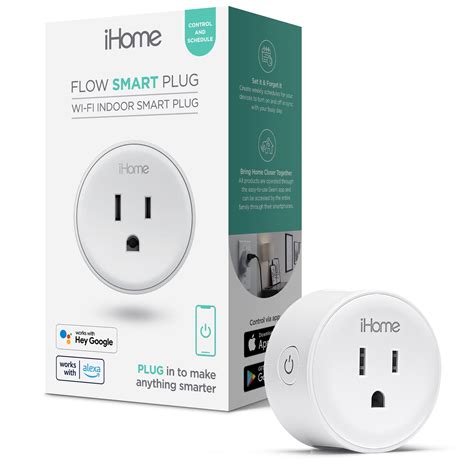
You’ll sometimes see the claim that standby or “phantom” power accounts for 75% of the electricity home electronics use while switched off. That specific figure doesn’t trace back to a documented DOE study.
A smart plug that switches off a standby-heavy cluster, such as a TV and its peripherals, addresses that slice, not the other 90% to 95% of the bill. One concrete example: TP-Link’s Kasa KP125M smart plug is UL and Matter certified and lists at $39.99 for a two-pack. Like most consumer smart plugs, it’s rated for a maximum load around 15A/1800W, which rules it out for a window air conditioner or a space heater.
How much does standby power really add to my bill? Based on DOE-anchored estimates, about 5% to 10% of total residential electricity, or roughly $92 to $183 a year for an average household, not the 75%-of-electronics figure sometimes quoted online.
Device limitations
| Device | Limitation | Who should reconsider |
|---|---|---|
| Smart thermostat | Some high-efficiency systems need the HVAC maker’s own controller | Homes with variable-speed heat pumps |
| Smart plug | Rated load, commonly 15A/1800W | Anyone plugging in a space heater or window AC |
| Plug-in power-saving box | No verified bill reduction regardless of load | Anyone buying it to lower kWh charges |
| Solar + battery backup | Payback depends on local rate and system size | Anyone expecting a fixed payback timeline |
Home energy monitors, before you buy anything else
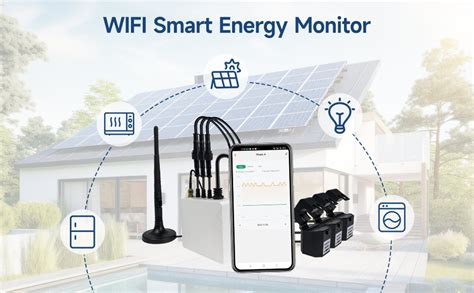
A whole-home energy monitor won’t save a single kilowatt-hour on its own. It shows you, device by device, where your specific bill goes, turning the EIA percentages above into your own household’s numbers before you spend on anything else.
Should I buy an energy monitor before a smart thermostat? Only if you’re unsure where your bill actually goes. A monitor is diagnostic, not a savings device itself; if heating and cooling are visibly your largest cost already, the thermostat is the better first purchase.
Common mistakes when buying energy-saving devices

- Buying the plug-in box first. It’s the cheapest option and the most heavily marketed one, but it’s also the one with no verified effect on your bill.
- Skipping the compatibility check. A thermostat or smart plug bought without checking HVAC type or amperage often means a return trip to the store.
- Chasing the smallest device before the largest category. Buying several smart plugs before a smart thermostat spends money on the 5% to 10% slice while ignoring the roughly 52% that heating and cooling control.
Solar and battery backup: no fixed payback number
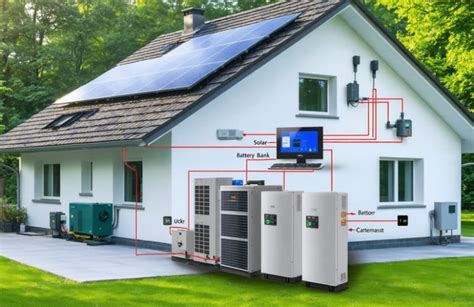
Portable solar generators and home battery systems can meaningfully cut a bill, but no single, defensible payback percentage applies across households. The number depends on local electricity rates, system size, and how much backup capacity a household actually needs. Get a system-specific quote before assuming a fixed return.