Is This a Dental Emergency?
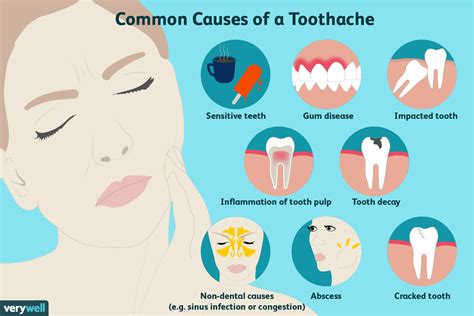
Three signs turn ordinary tooth pain into a same-day emergency: swelling that’s visibly changing your face, bleeding that doesn’t stop after 10 minutes of steady pressure, and pain severe enough that over-the-counter medication doesn’t touch it. A research brief from the American Dental Association’s Health Policy Institute found that most dental-related ER visits don’t need emergency-room care and could be handled by a dentist instead. The self-check below exists to catch that distinction before you drive anywhere.
- Can wait for a regular appointment: minor chip with no pain, lost filling with no sensitivity, mild gum irritation.
- Needs a dentist today: toothache that doesn’t respond to ibuprofen, a visible crack with pain on biting, swelling confined to the gum near one tooth.
- Needs the ER now: swelling spreading toward the eye or down the neck, fever with facial swelling, uncontrolled bleeding, a suspected jaw fracture.
Can dental pain go away on its own? Sometimes, briefly, if the nerve inside the tooth dies. The pain can stop even though the infection is still active and spreading. Pain going away isn’t the same as the problem resolving.
What To Do in the First 10 Minutes
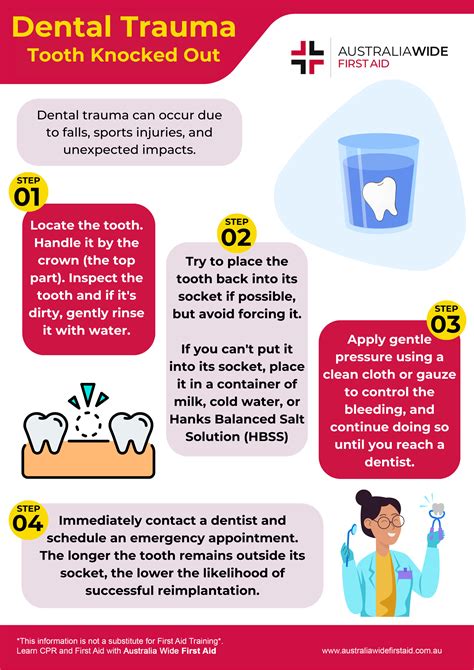
Knocked-out tooth (avulsion)
Avulsion affects roughly 0.5 to 3 percent of dental injuries, per the International Association of Dental Traumatology’s guidelines. Pick the tooth up by the crown, never the root. Rinse briefly in water only if visibly dirty, don’t scrub it. Try to reinsert it into the socket. If you can’t, drop it in milk, not water, and get to a dentist immediately; a cold compress on the cheek helps with swelling in the meantime.
Cracked or broken tooth
Save any broken piece in milk or saliva. Rinse your mouth with warm water and keep a cold compress on the outside of the cheek. Avoid chewing on that side until you’re seen.
Toothache or possible abscess
Rinse with warm salt water and floss around the tooth in case food is trapped. Ibuprofen is the safer choice; keep aspirin off the gum directly. Swelling, fever, or a bad taste from drainage points to an abscess, which needs same-day treatment.
Lost crown or filling
Cover the exposed tooth with dental cement from a pharmacy or, in a pinch, sugar-free gum, to cut sensitivity until you’re seen.
Soft-tissue injury or bleeding
Apply firm, steady pressure with clean gauze for 10 to 15 minutes. A moistened tea bag can help bleeding gums clot. If bleeding continues past 15 minutes of steady pressure, go to the ER.
The Knocked-Out-Tooth Window, Resolved
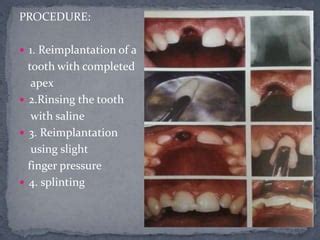
Pages on this topic often quote 30 minutes, 30 to 60 minutes, and 1 to 2 hours for reimplantation, inconsistently, sometimes within the same article. The dental-trauma literature is more specific: periodontal ligament cells on the root surface start dying once the tooth leaves the mouth, and the IADT guidelines treat roughly 60 minutes of dry extraoral time as the point where the odds of the tooth reattaching drop sharply. Immediate reimplantation within 20 to 30 minutes gives the best result. Storage medium matters almost as much as time: a 2020 systematic review in Dental Traumatology found Hank’s Balanced Salt Solution, propolis solution, and even cling film outperform milk at preserving these cells, but milk is what’s in most kitchens, which is why it stays the practical recommendation.
ER or Dentist: How To Decide
| Situation | Go to | Why |
|---|---|---|
| Bleeding continues after 10+ min of steady pressure | ER | Risk of significant blood loss beyond what a dental office monitors |
| Facial swelling spreading toward eye or neck, or with fever | ER | Risk the infection compromises the airway |
| Suspected broken jaw or major facial trauma | ER | Needs imaging and fracture management |
| Severe toothache, no spreading swelling | Dentist, same day | ERs typically prescribe pain relief or antibiotics without treating the tooth |
| Knocked-out or cracked tooth, patient otherwise stable | Dentist, same day or emergency | Only a dentist can reimplant, splint, or restore the tooth |
The point most guides skip: an ER visit for a straightforward toothache treats the pain, not the tooth. A national analysis of 2015–2017 ED visits found dental visits are prescribed opioids nearly five times as often as other ED visits, without addressing the underlying decay or crack. The ADA has also tracked what that detour costs: a dental problem sent to the ER averages about $749 per visit, roughly three times a comparable dental-office visit.
Does the ER fix the tooth, or just the pain? Usually just the pain. Emergency rooms can prescribe antibiotics or pain medication and rule out life-threatening spread of infection, but they don’t have the equipment to extract, reimplant, or restore a tooth. A dentist visit still follows.
After Hours, Weekends, and Holidays

Call your dentist’s office anyway; many route after-hours calls to an answering service or an on-call dentist. If no one calls back and you have a true emergency sign from the self-check above, go to the ER rather than waiting for a callback. If it’s pain without swelling or bleeding, ice, ibuprofen, and sleeping with your head elevated can get you through until morning. No single source tracks which San Diego practices actually staff their after-hours lines, so treat “call anyway” as the honest floor, not a guarantee someone answers at 2 a.m.
What if I can’t reach any dentist and it’s the middle of the night? Call anyway and leave a message, most offices route it somewhere. If it’s a true emergency sign, don’t wait on a callback: go to the ER.
Children’s Dental Emergencies Are Different
A knocked-out baby tooth should never go back in. Both the American Academy of Pediatric Dentistry and the IADT recommend against replanting avulsed primary teeth: forcing one back into the socket risks damaging the permanent tooth still developing underneath, and a 2013 review of the evidence found replantation attempts in this age group carry real failure rates with little upside. If you can’t tell whether a lost tooth was a baby tooth or a permanent one, a dentist can usually tell from the root shape within minutes, so don’t delay the call to find out first.
Should I reimplant my child’s tooth myself? No, not for a baby tooth. Clean the area gently, control any bleeding, and see a dentist the same day for an exam and an X-ray to check nearby teeth.
What It Costs
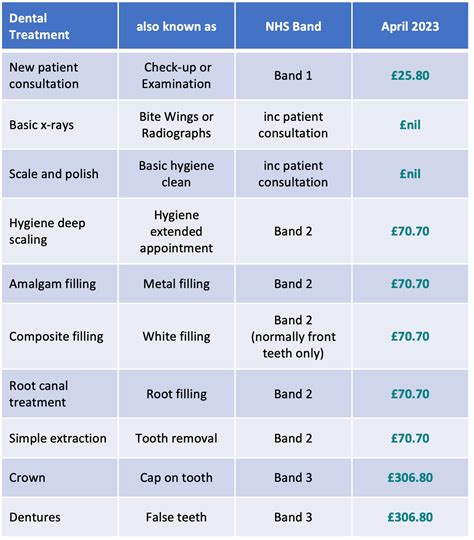
| Procedure | Typical range, cash, no insurance | Notes |
|---|---|---|
| Emergency exam + X-ray | $50 to $350 (national average about $203) | 2026 consumer cost data |
| Simple extraction | $137 to $835 (national average about $177) | Surgical extractions run higher |
| Root canal, front tooth | $600 to $1,100 | California-specific estimate, single practice source, treat as a starting point |
| Root canal, molar | $1,000 to $2,000+ | Molars need more canals, more chair time |
| Emergency same-day crown | $500 to $2,000 | Material and lab choice move the price |
The gap between a same-day exam and a molar root canal runs roughly tenfold. That’s the real argument for getting a cracked tooth checked before it becomes an infected one. Federally qualified health centers, including several in San Diego County, charge on a sliding scale tied to income instead of these cash rates.
What if I don’t have insurance and can’t pay upfront? Ask the office about payment plans before the appointment, and separately call a sliding-scale clinic. San Diego County has several, and eligibility is based on income, not on carrying insurance at all.
What Happens If You Wait
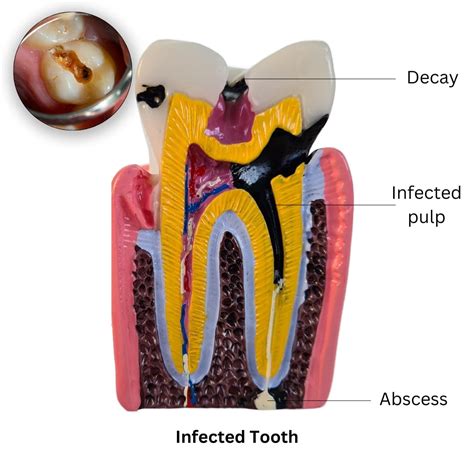
An abscess that isn’t drained can spread from the tooth into the surrounding bone, then into the soft tissue of the face or neck, and in rare cases into the bloodstream. Abscesses and untreated decay accounted for nearly 80 percent of dental-related emergency room visits in one federal analysis of 2009 data.
What This Guide Can’t Do
This page can help you triage a symptom and find same-day options in San Diego, but it isn’t a substitute for an in-person exam, and it can’t diagnose what’s happening in your mouth from a written description. If chest pain, trouble breathing, or facial numbness comes with your dental symptoms, treat it as a medical emergency and call 911.
Getting Seen in San Diego Today
Start with your own dentist’s after-hours line if you have one. If you don’t, or it’s after hours and unanswered, San Ysidro Health runs a sliding-scale dental program across multiple San Diego County sites, reachable at (619) 662-4100, with eligibility based on proof of income rather than insurance status. The federal health center locator at findahealthcenter.hrsa.gov lists other federally qualified clinics nearby if that one isn’t convenient. For a true emergency sign from the first section, don’t wait on a callback: go to the nearest ER.