How content recognition technology works
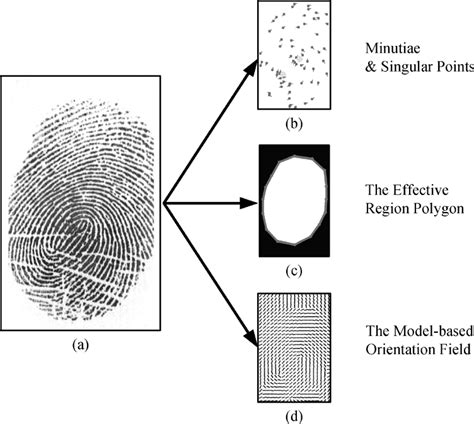
A content recognition system samples what’s playing, on screen or through the speakers, converts that sample into a compact fingerprint, and checks the fingerprint against a reference library. A match returns metadata: which show, which ad, which frame. LG’s technical documentation states its capture rate at every 10 milliseconds; researchers who measured the actual network traffic found LG batches those captures and transmits a resulting fingerprint about every 15 seconds, while Samsung’s traffic pattern matches roughly once-per-minute transmissions from captures taken every 500 milliseconds. Watermarking works differently: instead of sampling and matching, it embeds an inaudible or invisible marker into the content itself at the source, so the content carries its own identifier wherever it’s played.
Where fingerprinting and watermarking fail
| Method | Typical failure condition | Practical consequence |
|---|---|---|
| Screen/audio fingerprinting (TV-side ACR) | Content sits inside an app with its own licensing restrictions | Measured traffic peaks drop by up to 12 times compared with linear TV or HDMI viewing |
| Screen/audio fingerprinting | Content was never added to the reference library (new, live, or unreleased material) | No match is returned; the system reports nothing rather than a wrong answer |
| Watermarking | Content is transcoded, re-encoded, or cropped after the watermark was embedded | The embedded marker can be stripped even though the picture or audio still looks and sounds correct |
| Both methods | Multiple content sources overlap on screen at once (picture-in-picture, split screen) | Fingerprint or watermark reflects whichever source dominates the sampled frame, not necessarily what the viewer is focused on |
The licensing-restriction row matters most for anyone trying to reason about advertising measurement: a TV’s own fingerprinting system does not see everything at the same resolution, and rights agreements are one of the concrete reasons why.
Can content recognition identify something it’s never seen before?No. Matching only works against content already stored in a reference library. Live, unreleased, or otherwise uncataloged material simply returns no match, which is one reason ACR systems are built around large, constantly updated content databases rather than general-purpose visual recognition.
What content recognition cannot do
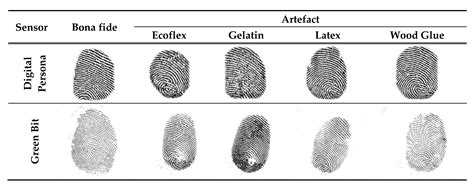
The fingerprint a smart TV sends is a hash-like representation of the content, not a copy of the picture or a recording of the sound. Samsung states directly, in its own support documentation, that it does not record or watch what’s displayed on its Smart TVs even when Viewing Information Services is active.
Does automatic content recognition stop working when a TV is used as a monitor?No. The 2024 measurement study found ACR network traffic during HDMI input scenarios at levels comparable to normal TV viewing, meaning a laptop, game console, or Blu-ray player connected over HDMI gets fingerprinted the same way a broadcast channel does.
What the data is worth
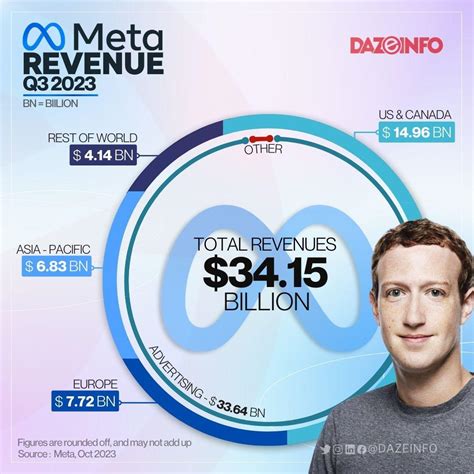
Smart TV manufacturers keep ACR on by default largely because the data has become a primary revenue source, not a side feature. Vizio’s investor materials for the fourth quarter of 2023 reported $105.4 million in gross profit from its Platform+ segment, which includes advertising and data licensing, against $98.1 million in total company gross profit for that quarter. Its device (hardware) business ran at a gross loss during that same period. That single quarter illustrates why disabling a TV’s ACR setting removes a real, reported revenue stream from the manufacturer, not an incidental one.
The current legal fight over smart TV ACR

| Company | Legal action | Status as of mid-2026 |
|---|---|---|
| Vizio | FTC and New Jersey settlement, Feb 2017 | Paid $2.2 million, required to obtain opt-in consent and delete pre-2016 data |
| Samsung | Texas AG lawsuit, Dec 2025 | Settled Feb 2026: must obtain express consent and rebuild consent screens |
| Hisense | Texas AG lawsuit, Dec 2025 | Temporary restraining order issued Dec 17, 2025, blocking ACR data use on Texas consumers |
| LG, Sony, TCL | Texas AG lawsuits, Dec 2025 | Ongoing, no settlement reported |
Two of the five companies sued in December 2025 have already changed how they present ACR consent screens under court pressure; the other three have not, so what protection a viewer actually gets still depends on which brand is on the wall and which state they live in.
Did the 2017 Vizio settlement stop TV makers from using ACR?No. It required Vizio specifically to change its consent practices. The technology itself remained standard industry equipment, which is why five more manufacturers faced new state lawsuits over the same practice in December 2025.
How to turn ACR off, by brand
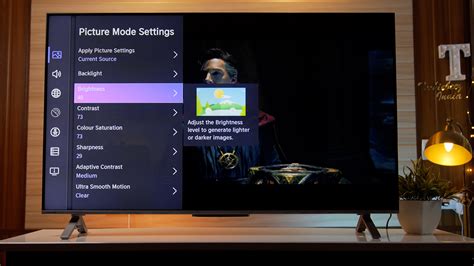
| Brand | Setting name | Menu path | What it stops |
|---|---|---|---|
| Samsung | Viewing Information Services | Settings > Support (or All Settings) > Terms & Privacy > Privacy Choices | Screen and audio fingerprinting used for viewing profiles and ad targeting |
| LG | Live Plus | Settings > All Settings > General/System > Additional Settings | ACR-based content recognition and the personalized recommendations built on it |
| Vizio | Viewing Data | Menu > System > Reset & Admin | Vizio’s ACR collection and viewing logs |
| Roku (TV) | Use Info from TV Inputs | Settings > Privacy > Smart TV Experience | ACR tracking of content from external devices such as cable boxes and consoles |
Every one of these toggles is separate from the TV’s voice-recognition setting, which typically needs to be disabled on its own.
Does turning off Viewing Information Services stop Samsung from collecting any data at all?No. Interest-Based Advertising and Voice Recognition Services are separate settings on Samsung TVs; turning off ACR alone leaves both of those active until they’re individually disabled.
Where content recognition shows up beyond your TV
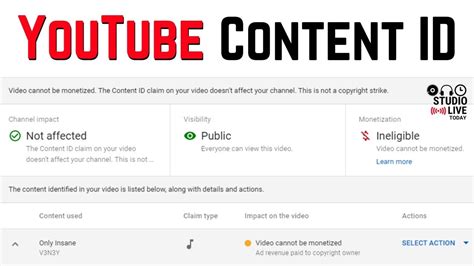
The same fingerprint-and-match principle runs services well outside advertising. YouTube’s Content ID system, built for copyright management rather than audience measurement, processed 2.2 billion claims in 2024, up from roughly 2 billion the year before.
| Content ID metric (2024) | Value |
|---|---|
| Total claims processed | 2.2 billion |
| Share of claims handled automatically | 99.43% |
| Claims disputed by uploaders | Under 1% (about 22 million) |
| Disputes resolved in the uploader’s favor | Over 65% |
At that dispute rate, a Content ID match functions as the default outcome for almost every creator it touches, since only a small fraction of matches are ever challenged in the first place.
Is YouTube’s Content ID the same technology as smart TV ACR?They share the same underlying idea, fingerprint the content and match it against a reference library, but serve different purposes and different companies: Content ID enforces copyright on uploaded video, while TV-based ACR profiles what’s being watched for advertising and recommendations.
Common mistakes people make when evaluating content recognition claims
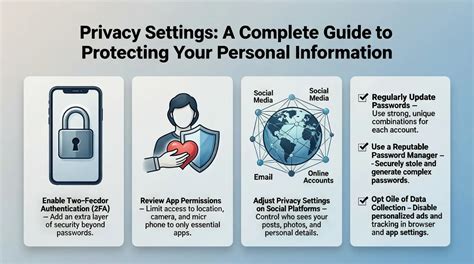
- Trusting a manufacturer’s marketing language over the separate ad-tracking toggle. A TV’s description of ACR as an experience “enhancement” says nothing about whether Interest-Based Advertising is on; that’s a distinct setting and needs to be checked on its own.
- Assuming the Texas cases apply everywhere. The December 2025 lawsuits and the Samsung settlement bind conduct toward Texas consumers specifically; they don’t establish a nationwide consent standard for every state.
- Assuming an opt-out survives a firmware update. Smart TV settings menus change across software versions, so a setting turned off during one update cycle is worth re-checking after the next one.
- Trusting oddly specific numbers with no named source. Some vendor and marketing content states a fixed pixel count per frame or a flat “every 10 seconds” capture rate, with no citation behind either figure.