Which AirPods Pro case do you actually have
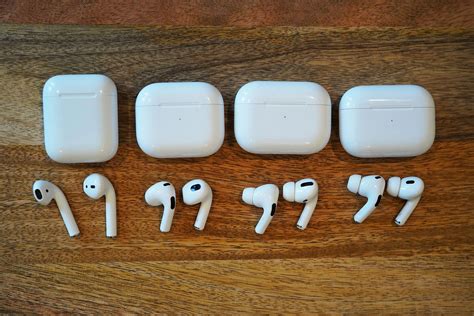
| Generation | Year | Connector | Official case IP rating | Case size (H × W × D) | Case weight |
|---|---|---|---|---|---|
| AirPods Pro (1st gen) | 2019 | Lightning | Case not water-rated (earbuds are IPX4) | Not published by Apple in this format | Not published |
| AirPods Pro 2 (original) | 2022 | Lightning | IPX4 | Not published by Apple in this format | Not published |
| AirPods Pro 2 (USB-C) | 2023 | USB-C | IP54 | 1.78 × 2.39 × 0.85 in | 1.79 oz |
| AirPods Pro 3 | 2025 | USB-C | IP57 | 1.86 × 2.45 × 0.86 in | 1.55 oz |
Ratings and dimensions: Apple AirPods Pro 3 tech specs, AirPods Pro 2 (USB-C) tech specs, AirPods Pro 2 (2022) tech specs, AirPods Pro (1st gen) tech specs, size comparison via All Things How’s measurement writeup.
Two things in that table catch most buyers off guard. First, “AirPods Pro 2” covers two different official water ratings under one product name, since Apple upgraded the case from IPX4 to IP54 when it moved to USB-C in 2023 without renaming the product. Second, the original AirPods Pro case from 2019 has no water rating at all, even though the earbuds inside it do.
Will an AirPods Pro 2 case fit AirPods Pro 3? Not reliably. The Pro 3 case is taller and wider than the Pro 2 case by a few hundredths of an inch, which is enough that molded hard shells often won’t close and silicone sleeves that do stretch on can leave the speaker and lanyard cutouts misaligned.
What actually damages an AirPods Pro case
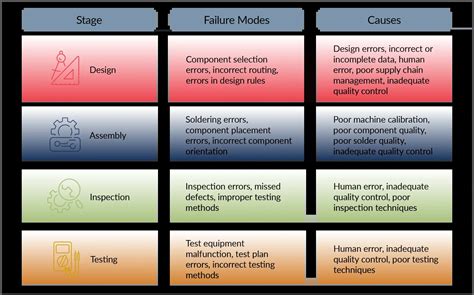
Four things account for nearly every case failure: a drop onto a hard surface, years of pocket lint and keys grinding against the seams, a case that blocks wireless charging just enough to be annoying, and exposure to water or sweat beyond what Apple’s own rating covers. Most buying advice treats these as one undifferentiated protection need, which is how buyers end up with a case that solves the wrong problem. They are different problems: a case built to survive a 4-foot drop does nothing for scratch resistance, and a case that seals out water often adds enough bulk to misalign MagSafe. The next table sorts by which of the four you’re actually trying to prevent.
Best cases matched to your failure mode
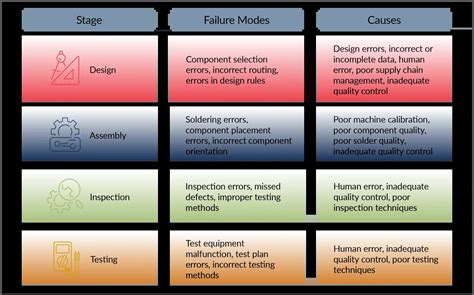
| If your main risk is | Look for | Verify before buying |
|---|---|---|
| Frequent drops (bags, job sites, gym) | A rugged silicone or TPU shell citing a named drop-test method | Whether “military-grade” names an actual test (MIL-STD-810G) or is just a phrase with no test cited |
| Pocket and keychain scratches | A slim TPU or silicone sleeve | Whether the sleeve leaves the hinge and lanyard loop exposed to catch on fabric |
| Wireless charging that stops working reliably with a case on | A case whose listing explicitly states embedded magnets | Whether the spec sheet says magnets or only pad compatibility, since these are different claims |
| Water, sweat, or gym exposure beyond Apple’s rating | A case with its own independently stated IP rating higher than IP57 | Whether that rating names a test lab, or is only marketing copy |
| Cosmetic wear on the charging case, or resale value | A leather or hard-shell cover | Whether the speaker and Find My cutout stay accessible |
A case chosen from the wrong row of that table is the most common mismatch implied by manufacturer product pages: buyers pick a rugged shell for a scratch problem, or a waterproof shell for a drop problem, and end up carrying bulk they didn’t need.
Frequent drops
Look for a case that names a specific test method for its drop claim. Catalyst’s Total Protection case for AirPods Pro 3 lists MIL-STD-810G drop protection to 20 feet and IP68 waterproofing to 330 feet for $49.99, in polycarbonate and shock-absorbing silicone.
Pocket and key scratches
Spigen’s Rugged Armor for AirPods Pro 2 runs $24.99, weighs 1.31 oz, and is built from TPU for everyday scuffing protection.
Reliable wireless charging
If MagSafe alignment matters to you, confirm the listing states embedded magnets rather than the vaguer “MagSafe compatible,” which sometimes means only that the case is thin enough to sit on a charging pad.
Does “MagSafe compatible” on a case mean it has magnets built in? Not necessarily. An independent review of Nomad’s Horween leather case for AirPods Pro found it charges fine on Qi and MagSafe pads but contains no magnets, so it has to be positioned by hand rather than snapping into place.
Leather and style
Nomad’s Modern Leather Case for AirPods Pro 3 launched at $39 in Horween leather alongside the earbuds themselves in September 2025, and follows the same two-piece, non-magnetic construction as its earlier AirPods Pro 2 version. Leather cases like this protect the charging case’s glossy plastic from cosmetic wear and preserve resale value, at the cost of the leather itself needing a few months to develop the patina that’s part of the appeal.
| Case | Price | Compatible generation | Material | Confirmed detail |
|---|---|---|---|---|
| Spigen Rugged Armor | $24.99 | AirPods Pro 2 | TPU | 1.31 oz product weight (spigen.com) |
| Catalyst Total Protection | $49.99 | AirPods Pro 3 | Polycarbonate + silicone | IP68 to 330 ft and MIL-STD-810G to 20 ft (catalystcase.com) |
| Nomad Modern Leather Case | $39 | AirPods Pro 3 | Horween leather over polycarbonate | Qi and MagSafe charger compatible, no embedded magnets (9to5toys) |
Failure mode picks the goal; material picks the tradeoff you’ll live with day to day. The table below sorts the same landscape by material instead, since a rugged shell and a waterproof shell solve overlapping but not identical problems.
| Case type | Best for | Watch-outs |
|---|---|---|
| Rugged silicone or TPU shell | Daily drops in bags or on job sites | Bulk can block MagSafe alignment if the listing doesn’t confirm embedded magnets |
| Independently-rated waterproof shell | Gym, beach, boating | Adds real bulk; usually blocks curved MagSafe chargers, working only with flat pads |
| Horween or full-grain leather | Style and resale cosmetics | Scuffs before it patinas; most leather cases skip MagSafe magnets entirely |
| Slim TPU sleeve | Minimizing bulk while covering scratches | Offers little real drop protection beyond surface scuffs |
The four types solve different problems well enough that owning two, a slim sleeve for daily carry and a rugged shell for travel, costs less than replacing a cracked charging case once.
Do you need a case at all

Not always. AirPods Pro 3’s own case is already IP57-rated and built with 65 percent recycled plastic, according to Apple, and plenty of owners never drop or submerge it. If your charging case already lives inside a bag pocket or a padded sleeve for something else, a dedicated case mostly adds cosmetic protection instead of solving a real risk.
What “military-grade” and IP ratings on cases actually verify
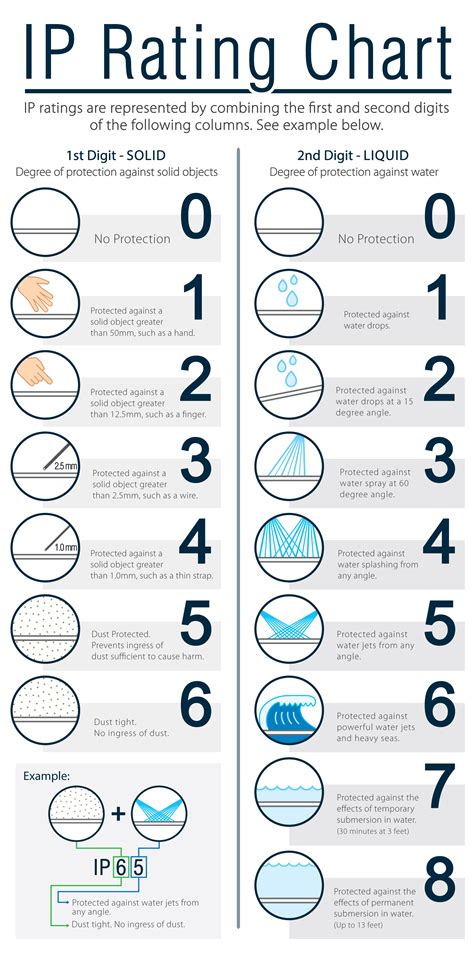
An IP rating and a “military-grade” claim come from two separate, unrelated systems, and a case can advertise both without either one confirming the other. IP ratings follow IEC 60529: the first digit, on a 0 to 6 scale, rates protection against solid objects, and the second, on a 0 to 9 scale, rates protection against water, so IP54 means protection from limited dust and splashing from any direction, while IP57 adds protection for immersion between roughly 15 centimeters and 1 meter of depth.
“Military-grade” typically points to MIL-STD-810G Method 516.6, a public U.S. Department of Defense test document describing 26 drops from 4 feet onto plywood-backed concrete. Nothing requires an independent lab to confirm a manufacturer actually ran that test: the standard is simply available for any company to design against and self-report, as How-To Geek’s explainer lays out. Catalyst’s own listing for its AirPods Pro 3 case states that its IP68 waterproofing “exceeds military waterproofing standards,” but IP ratings and MIL-STD drop testing measure different things entirely: water ingress against mechanical shock. A strong water rating says nothing about drop survival, a point Petra’s accessory-industry explainer makes explicitly.
Is a case’s “military-grade” claim independently verified? No. MIL-STD-810G is a public test document manufacturers can design against and self-report; there is no certifying body that inspects individual cases before they ship.
Signs a case is a bad fit before you buy

- The listing hedges on your exact generation. Wording like “for AirPods Pro” without specifying 1st, 2nd, or 3rd generation, or “if available for Pro 3,” signals the seller hasn’t confirmed fit for your specific case.
- No mention of the lanyard loop or speaker cutout. AirPods Pro 2 and 3 both added a built-in speaker and lanyard loop; a case that doesn’t mention accommodating them may cover or muffle the Find My alert sound.
- “Wireless charging compatible” without naming MagSafe or Qi specifically. This phrasing can mean the case is merely thin enough, not that it preserves magnetic alignment.
- Reviews mentioning the lid or top cover detaching. Several buyers of Spigen’s Urban Fit and Vault cases for AirPods Pro 3 reported the top cover coming loose or the included adhesive tape failing to hold, directly on Spigen’s own product pages.
Why did my case’s lid stop closing tightly after a few months? Two-piece cases that rely on adhesive tape to hold the lid cover in place can loosen with repeated opening, a failure mode buyers have reported directly on the product pages for cases built this way.
Fixing problems after you buy

A lid that won’t stay shut after its adhesive fails usually can’t be re-glued reliably; the fix is switching to a one-piece or hinge-integrated design rather than repairing the current one. Charging that stops working once a case is on almost always traces back to case thickness or missing magnets. The fastest diagnosis is testing the AirPods case on a bare pad with no cover at all: if that charges normally, the case is the variable to replace. A case that starts smelling or attracting lint benefits from the same soap-and-water cleaning most silicone manufacturers list for their products, done with the AirPods themselves removed first.